Preparing students to lead with purpose amid healthcare’s new realities
When I joined the Department of Health Administration in 2011, healthcare organizations were already navigating meaningful challenges. Such change is nothing new — but the pace and complexity of those challenges have grown exponentially.
Today’s leaders are operating in an environment shaped by workforce shortages, financial pressures, behavioral health demands and rapidly evolving technologies — often all at once.
As I step into the role of chair, I’ve found myself reflecting on how these increasingly complex challenges have made strong healthcare leadership even more consequential. At the same time, they have reinforced my optimism about the important role we play in preparing and supporting the next generation of healthcare leaders.
That optimism is strengthened every day by our students. As healthcare continues to evolve, our students are rising to meet those changes.
Every year, we bring together an incredibly diverse mix of students. MHA students arrive early in their careers, eager to make a meaningful impact on some of the field’s most complex challenges. They bring energy, curiosity and fresh perspectives about where healthcare is headed.
At the same time, MSHA students are experienced working professionals balancing careers, leadership responsibilities and family life while furthering their education. Many are managing clinical demands and operational responsibilities during the day and joining class discussions at night after helping kids with homework or navigating busy family schedules.
Our classrooms are filled with conversations that connect theory to real-world healthcare challenges.
Students discuss workforce burnout, access to care, cybersecurity threats, behavioral health capacity issues, patient experience, operational strategy and the growing role of technology in healthcare delivery, often drawing directly from what they are navigating inside their own healthcare organizations. The gap between theory and practice has never been smaller.
These days, healthcare and higher education are operating in an unusually unstable federal environment, and we have to prepare leaders who can adapt without losing sight of the patients and communities they serve.
Healthcare needs leaders who are both strategic and deeply human. The best leaders understand strategy, finance, and operations, but they also understand people: patients, employees, clinicians, and communities. In a rapidly changing environment, adaptability, collaboration, and compassion are no longer optional leadership traits.
Preparing leaders with that breadth of capability and perspective has never been more important.
At VCU, we are preparing exactly these kinds of leaders. Through strong partnerships with health systems, consulting firms, and other community partnerships, our students engage directly with real-world healthcare challenges long before graduation. Our alumni continue to demonstrate the tremendous impact VCU graduates have across the healthcare industry.
The future of healthcare will undoubtedly bring continued disruption and transformation. But when I look at the students, faculty, alumni, and partners connected to this department, I feel incredibly confident about what comes next.
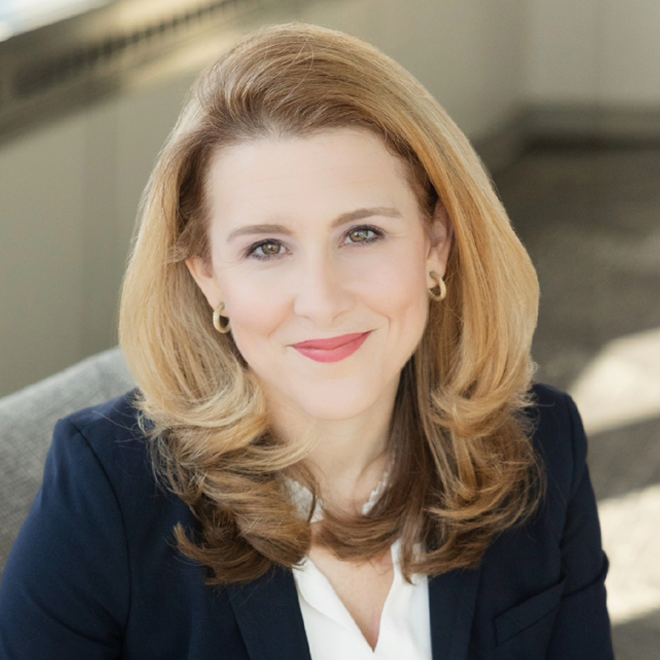
Laura McClelland, Ph.D.
Incoming Chair, VCU Department of Health Administration
Director, PhD Program in Health Services Organization and Research
Associate Professor
Congratulations graduates!
We celebrate the members of our Class of 2026 MSHA & MHA classes! We're so proud of what you have accomplished already, and look forward to seeing what you do next.
VCU Health Administration MSHA Class of 2026

Back row: Eric Hayes, Dan Elkes, Ashley Abercrombie, Payton Hardinge
Not pictured: Rebecca Snell, Doug Wise
VCU Health Administration MHA Class of 2026

Back row: Jamshaid Iqbal, Ireland Miller, Hope Sheirich, Samvel Sahakyan, Lauren Clayton, Alex Hansen
Not pictured: Diamond Anderson, Cameron Buck, Abby Crawford, Kaylee Hughes, Claire Kraft, Nicholas Logan, Rachel Medeiros, Yusuf Mozahem, Malcolm Richards, Andrew Robertson, Renee Sarpong, Liam Simpson, Amber Turner, Abigail Waren
HSOR Ph.D. program expands research leadership
The department continues to expand its Health Services Organization and Research (HSOR) Ph.D. program, which prepares future scholars and healthcare leaders focused on improving healthcare delivery, organizational performance, and patient outcomes. This year’s Ph.D. graduates include:

Andrew Placona, Ph.D. whose research examines how kidney transplant program ratings influence waitlist management decisions and whether these systems may create barriers for patients seeking access to life-saving transplants.
Yanyan Shen, Ph.D. whose research focuses on the impact of expanding nurse practitioners’ scope of practice on patients’ access to care and patient outcomes.